

If you feel like the word inflammation is everywhere, that’s because it probably is. Inflammation is central to a host of diseases and health conditions. Centuries of remedies and treatments target inflammation in the body to try and improve symptoms. But what exactly is inflammation?
Inflammation describes almost anything warm, red, swollen, and painful. We can see inflammation with infections, injury, and even reactions to the environment. Inflammation is a sign that our body has identified a threat and is mounting its defense against it. In controlled amounts, inflammation is a natural and necessary part of our healing process.
:max_bytes(150000):strip_icc():format(webp)/signs-of-inflammation-4580526_FINAL-5c6f21adc9e77c0001be5177.png)
Let’s say my arm catches on a rough piece of wood that scratches my skin. The scratch breaks open some of my skin cells. The damaged cells release chemical messengers that move through my blood and tissues and trigger my body’s immune response. Cytokines are these chemical messengers.
Some cytokines are responsible for inflammation. They can tell nearby blood vessels to expand, which causes heat, warmth, and redness. The blood vessels open up small gaps to allow large immune cells through to the tissue, where they clean up damaged cells. Fluid also leaves the blood through these holes. Fluid building up in the tissue creates swelling and pain. This reaction can also happen if the body senses a pathogen like a bacteria or virus, is exposed to a toxin, or misidentifies its own cells as foreign invaders. Inflammation is essential to a proper immune response but can also lead to serious health problems.
Researchers in Beijing closely studied inflammation-causing cytokines in patients infected with adenovirus. Adenoviruses usually cause cough, fever, and sore throat. The researchers compared the immune responses of patients with mild symptoms to those with severe illnesses. Their study found that patients whose bodies produced more pro-inflammatory cytokines developed more inflammation in their lungs. As a result, these patients experienced more severe complications, including pneumonia. Some illnesses like adenovirus, COVID-19, bird flu, and swine flu are known to cause life-threatening overproduction of cytokines called a cytokine storm. In the Beijing study, researchers established that excessive inflammation caused more severe illness.
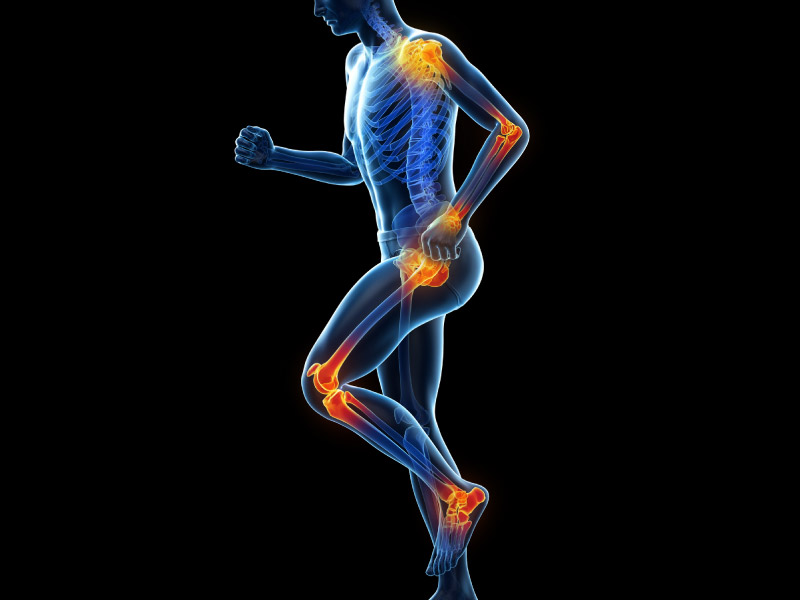
An Iranian study of patients with coronary artery disease found similar results. In atherosclerosis, the cells that make up the inner walls of the arteries react to cholesterol and trigger inflammation. Long-term or chronic inflammation of the arteries causes plaque build-up on the artery walls. This can cause serious complications, including heart attack and stroke. Researchers in Iran compared inflammation between people with atherosclerosis and people without it. Like the researchers in Beijing, the Iranian group found that more pro-inflammatory cytokines led to more inflammation and severe disease. However, the Iranian researchers also identified specific cytokines that regulate others and help prevent overproduction. In their study, patients with more of this critical anti-inflammatory cytokine had less inflammation in their arteries and lower cholesterol.
In inflammatory bowel diseases (IBD) such as Crohn’s Disease and Ulcerative Colitis, patients experience chronic gut inflammation. A recent article in Nature discusses the inflammation caused by a robust immune response to patients’ diets. The inflammation of the intestines and colon causes a host of uncomfortable symptoms and tissue damage. The study found that certain types of food triggered more severe inflammation by feeding certain microorganisms in the gut microbiome. I extensively discuss the gut microbiome’s reaction to diet in this article.
So now we understand what inflammation is and how it affects our health. But what can we do about it? The answer is plenty.
One study found promising results with vitamin A supplementation. Reactive Oxygen Species (ROS) help the body’s immune response at low levels but are toxic at high levels. Inflammation, especially over long periods, can create an excess of ROS. Vitamin A is an antioxidant that decreases the amount of ROS in the tissues and reduces inflammation. Researchers found that vitamin A deficiency is associated with chronic inflammation in conditions like COPD (chronic obstructive pulmonary disease). Fish, meat, and dairy all contain vitamin A, and yellow, orange, and red fruits and vegetables contain carotene, which our bodies turn into vitamin A.
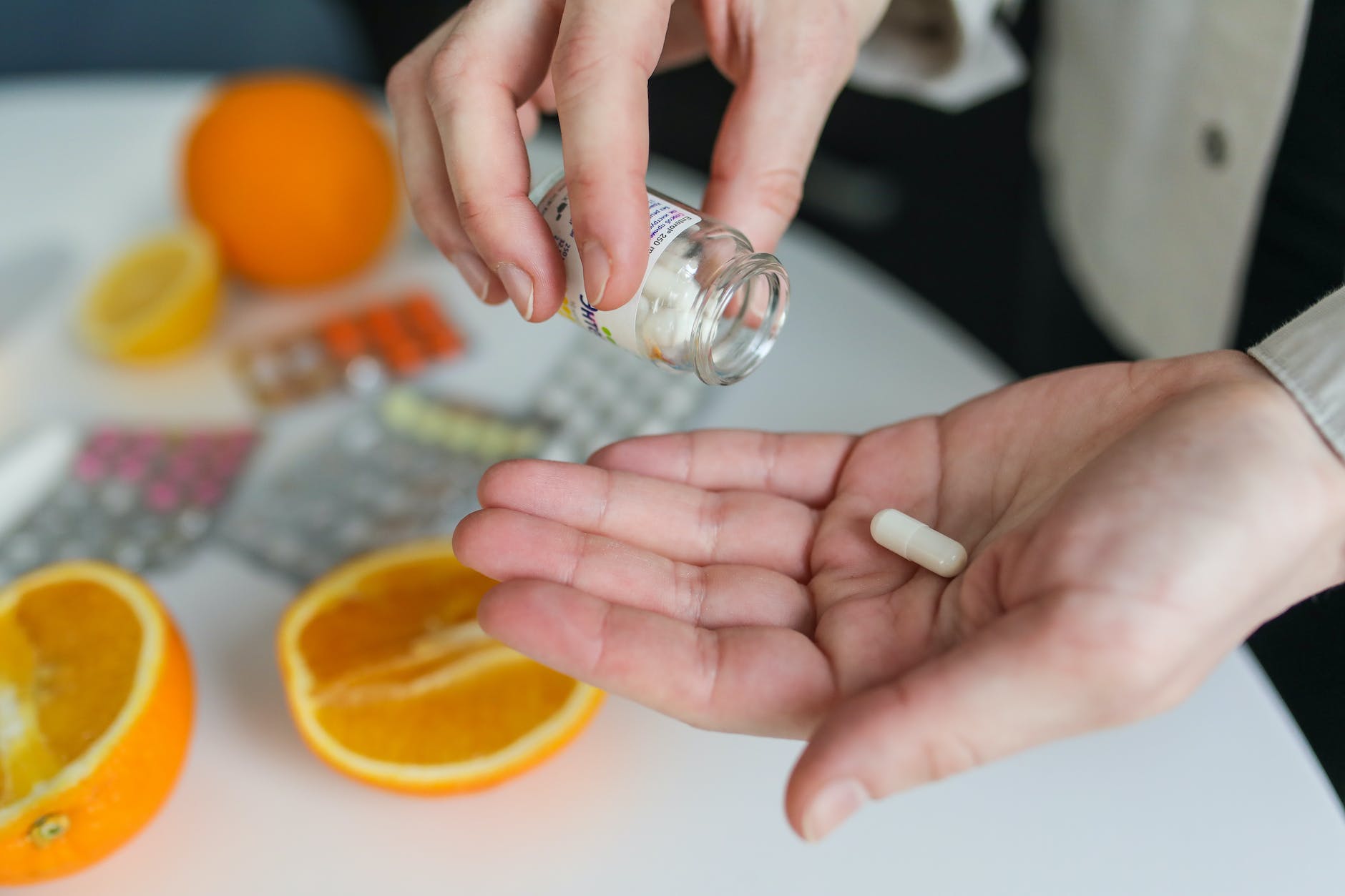
Another study found that curcumin, a compound found in turmeric, prevents the overproduction of pro-inflammatory cytokines. Curcumin reduces inflammation by regulating cytokine production and increasing antioxidant activity to remove excessive ROS. In 2022, pharmaceutical researchers engineered a probiotic that significantly reduced inflammation in patients with IBD. The probiotic helped to remove ROS from the gut microbiome and reduced the number of pro-inflammatory cytokines.
Inflammation is a critical component of our bodies immune response. Inflammation protects us from damage and allows our bodies to heal. In some cases, the inflammatory response is too strong or lasts too long. While much of this is out of our individual control, researchers have found some promising results for combating inflammation through diet and supplementation.
 What's That?